
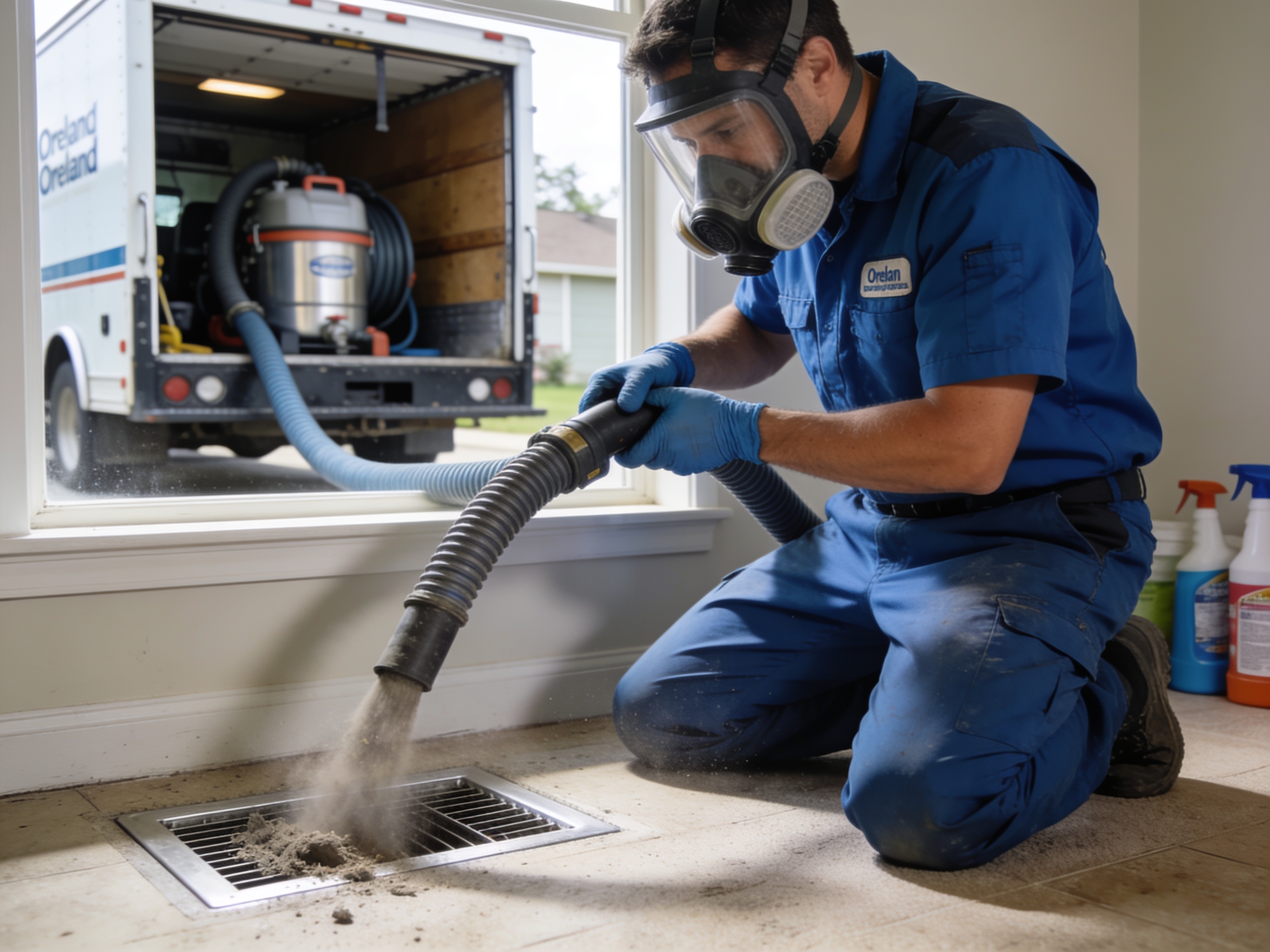
Milwaukie homes built before the 1980s often have rigid metal duct runs that collect fine dust and pollen from the surrounding Clackamas County terrain. Seasonal rain keeps relative humidity high, so condensation inside supply lines can support mold growth along seams and joints. Technicians at PureStream Vent start every job by mapping the full trunk and branch layout from the attic or crawlspace access points before any negative-air equipment is attached.
Portland-area traffic and nearby industrial zones add a steady load of fine particulates that standard furnace filters miss. In neighborhoods like Oak Grove and Ardenwald, single-story ranches with long horizontal runs require multiple access points to reach the far ends without leaving residue. Skipping these steps leaves the system only partially cleaned and allows the same particles to recirculate within days of service.
Seasonal Guidance
Fall leaf debris and winter heating cycles both increase the amount of material that settles in return plenums. Spring pollen follows right behind, so a single annual cleaning rarely keeps the system clear through all four seasons in this climate.
Common Edge Cases
Homes with original flex duct from the 1990s can tear during aggressive brushing; experienced crews switch to gentler rotary tools and inspect every connection before reassembly. Finished basements in the area frequently hide duct sections behind drywall, requiring small inspection cuts that are patched the same day.
Technician insight
In Oregon, the thing that catches most people out with local air duct cleaning is how quickly condensation forms inside the return plenum once fall rains begin; homeowners in Milwaukie often think a dirty filter is the only issue when the real buildup sits downstream in the horizontal runs that stay damp for months.
Oak Grove Ranch With Hidden Flex Runs
The homeowner noticed uneven airflow on the main floor. Inspection revealed collapsed flex sections under the hallway floor that had collected years of dust and moisture. Crew replaced the damaged runs, cleaned the remaining rigid trunk, and restored balanced airflow without opening finished walls.
How it works
- 1
Initial Walk-Through
Technician inspects every accessible trunk line, register, and return from the attic down through the crawlspace or basement at the Milwaukie address.
- 2
Negative-Air Setup
Equipment is staged outside to create continuous suction while brushes and whips loosen debris without pushing it into living spaces.
- 3
Source Removal
Agitation tools travel the full length of each run; collected material is captured in sealed containers for off-site disposal.
- 4
Post-Clean Verification
Registers are reinstalled and airflow is checked at multiple points to confirm the system moves air evenly before the crew leaves.
Pricing
Cost depends on square footage, number of stories, and whether flex duct or rigid metal is present.